


No products in the cart.
Return To Shop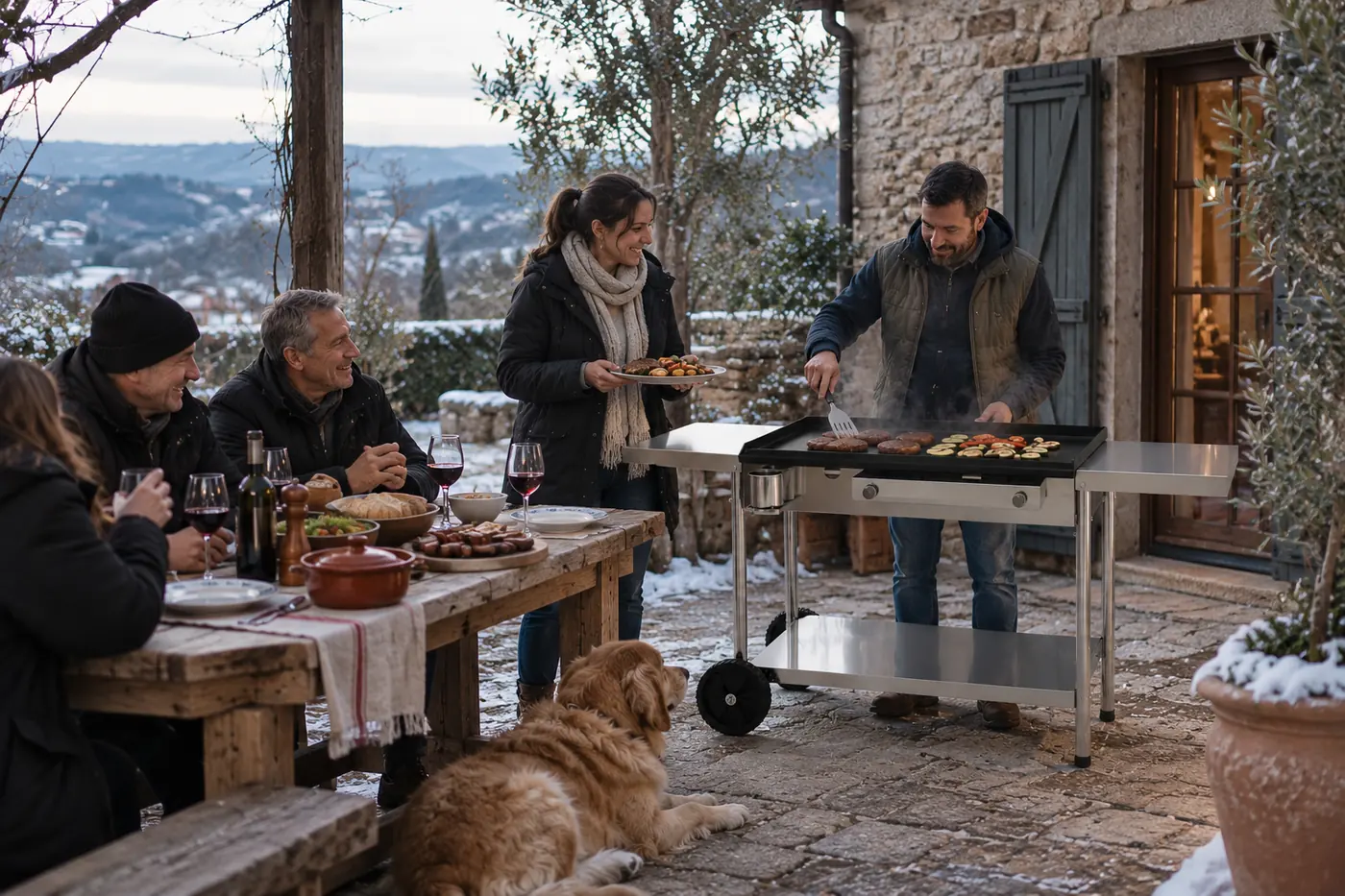
Grilling in Autumn and Winter – Why the Grilling Season Doesn’t End with Summer
At Furlan, we don’t put the grill away when summer ends.
A gas grill isn’t just for summer weekends and warm evenings on the terrace. It can be used throughout the year – at home, in professional kitchens, at events or anywhere you need a large, properly heated cooking surface.
Of course, grilling at 5 °C isn’t exactly the same as grilling in the middle of July. A steel griddle needs a little more time to heat up, wind increases heat loss, and the position of the grill and the type of gas you use become more important.
But the basic principle of good grilling remains the same: enough heat, a quality cooking surface and a little experience.
Grilling Season Doesn’t End in September
We often associate grilling with summer, outdoor gatherings and long evenings on the terrace. But there is no reason why using a gas grill should end when summer does.
For home users, it’s mainly the way we use the grill that changes throughout the year. In summer, the grill is often at the centre of a gathering. In autumn and winter, it can just as easily be used to prepare lunch or dinner outside on the terrace, next to the house or at a weekend home.
For professional users, year-round grilling is even more common. Restaurants, catering businesses, clubs, associations and event organisers use their grills when they need them – regardless of the month.
That’s why we see a good gas grill primarily as a piece of cooking equipment, not as a seasonal product. You can explore our range of Furlan gas and electric grills designed for both home and professional use.
What Actually Changes When Grilling in Cold Weather?
The biggest difference is the initial heating time.
In summer, a steel griddle may already be relatively warm before the burners are even switched on. In autumn or winter, the same cooking surface can start at a much lower temperature.
It simply needs a little more time.
Don’t rush to put food on the griddle before it has properly heated up. A hot steel cooking surface gives you exactly what you want at any time of year: strong contact with the food, good browning and better control over the cooking process.
If you want to understand this step in more detail, read our guide on why and how to properly preheat your grill.
The principle doesn’t change. Only the time required to reach the right cooking temperature may be different.
Wind Can Be a Bigger Problem Than Cold
When grilling in autumn and winter, outdoor temperature isn’t the only factor to consider. Wind can have an even greater effect.
On an exposed terrace or outdoor cooking area, wind can increase heat loss around the grill and affect cooking conditions. Whenever possible, position the grill away from strong direct wind while always keeping it in a safe and properly ventilated outdoor area.
This is also where the Furlan stainless steel wind and splash guard becomes particularly useful.
The guard surrounds the rear and sides of the cooking plate. It helps protect the surrounding area from grease and splashes while also reducing the direct effect of wind around the cooking surface.
It’s useful throughout the year, but its advantages become particularly noticeable on open terraces, at outdoor events and in other exposed locations. Furlan wind shields and other grill accessories are available for different grill models.
A wind guard does not make an enclosed space suitable for gas grilling. Gas grills must always be used in accordance with the manufacturer’s instructions and with adequate ventilation.
A Steel Griddle Works Well in Colder Weather
One of the advantages of a quality steel cooking plate is its ability to store heat.
Once properly heated, it provides a large contact cooking surface that can be used for many different types of food.
This versatility is one of the main reasons we use solid steel cooking plates on Furlan grills. You can learn more in our guide Steel Plate Gas Grill: Why It’s a Smart Choice and How to Use It Properly.
In colder weather, the important thing is to allow enough time for the initial heat-up and avoid unnecessarily cooling the plate by loading it with a large amount of cold food at once.
If you place a large quantity of meat straight from the refrigerator onto the griddle, the surface temperature will drop. This happens in summer as well, but the effect can be more noticeable when outdoor temperatures are low.
When cooking larger quantities, work in batches when necessary and allow the griddle to recover its temperature between them.
If you’re interested in how different cooking surfaces compare, see our guide to steel plate vs stainless steel plate vs traditional grill grate.
What About LPG in Cold Weather?
The type of LPG you use also becomes more important in colder conditions.
Propane and butane behave differently at low temperatures. Butane has difficulty vaporising around freezing temperatures, while propane remains suitable for use at considerably lower temperatures.
If you regularly use your gas grill during winter, it’s worth knowing which LPG you are using and whether it is suitable for the conditions in which you are grilling.
Always follow the instructions for your grill, gas cylinder, regulator and hose, as well as applicable local safety requirements. You can also find answers to common questions about gas connections, steel plate maintenance and grill use in the Furlan FAQ.
At Home or in Professional Use
Furlan grills are used by both home and professional users.
At home, the grill might be used for a Sunday lunch in autumn, steaks or burgers in winter, and longer outdoor gatherings again when spring arrives.
In restaurants, catering and event use, the demands are different. A grill may operate for several hours, larger quantities of food may be prepared, and reliability, heat recovery and sufficient cooking space become particularly important.
For restaurants, catering and other demanding environments, you can also explore our professional grilling solutions for restaurants and catering.
But the basic principle remains the same.
The cooking plate needs to reach the right temperature, the burners need to provide enough power, and the person cooking needs to understand how the grill responds to different quantities and types of food.
What Do We Grill During the Colder Months?
Autumn and winter don’t mean you have to cook exactly the same food you would in July.
In fact, colder months are a great time for more substantial dishes and different styles of cooking.
- Steaks – a properly heated steel griddle creates excellent surface contact and browning.
- Burgers – quick, simple and ideal for cooking on a flat steel surface.
- Sausages – a classic choice for colder days and larger gatherings.
- Potatoes and vegetables – easy to prepare alongside meat on the same cooking surface.
- Fish and seafood – Mediterranean cooking doesn’t have to stop when summer ends.
- Eggs and breakfast – a large flat griddle makes it possible to prepare an entire breakfast on one surface.
- Pancakes and crêpes – another example of how versatile a flat steel cooking surface can be.
This versatility is one of the biggest advantages of cooking on a solid plate. Read more about the benefits of cooking on a steel plate.
Prepare the Steel Plate for the Next Cook
If you use your grill throughout the year, proper care after each use becomes part of the routine.
After cooking, remove food residue and clean the surface. Don’t leave the steel plate wet.
Dry it thoroughly and, when necessary, apply a thin layer of oil to help protect the surface until the next use.
This is particularly important during autumn and winter, when humidity is often higher and temperature changes are greater.
If the grill remains outdoors, protect it from direct rain, snow and prolonged exposure to moisture once it has cooled down.
That doesn’t mean putting it away until spring.
It simply means getting it ready for the next cook.
Frequently Asked Questions About Autumn and Winter Grilling
Can I use a gas grill in winter?
Yes. A gas grill can be used in autumn and winter as long as it is operated in a safe, properly ventilated location and in accordance with the manufacturer’s instructions.
Does a steel griddle take longer to heat up in winter?
Usually, yes. If the steel plate starts at a lower temperature, it will need more time to reach the desired cooking temperature. Give the griddle enough time to preheat before adding food.
Does wind affect a gas grill?
Yes. Wind can increase heat loss and affect conditions around the cooking surface. Good grill placement is important, and a stainless steel wind and splash guard can also help reduce direct exposure around the griddle.
Can I use a gas grill inside a garage?
No. A gas grill should not be used in an enclosed or inadequately ventilated space. Always follow the manufacturer’s safety instructions for outdoor gas appliances.
Is propane or butane better in cold weather?
Propane is generally more suitable for low-temperature conditions. Butane vaporises poorly around freezing temperatures, which can affect the performance of gas appliances.
Do I need to use more burner power in winter?
Not necessarily. Giving the grill enough time to preheat is more important. In very cold or windy conditions, however, more energy may be required to maintain the desired cooking temperature.
How should I protect a steel griddle after cooking?
Clean the cooking surface, dry it thoroughly and apply a thin layer of oil when necessary. This helps protect the steel from moisture and leaves it ready for the next use.
Can a grill stay outside during winter?
If the grill is designed for outdoor use, it can remain outside when properly protected. Avoid prolonged exposure to rain, snow and moisture, and pay particular attention to protecting the steel cooking plate.
Can I cook the same food in winter as in summer?
Absolutely. Steaks, burgers, sausages, fish, seafood, vegetables and many other dishes can be cooked throughout the year. Colder months are also a great opportunity to try different dishes and styles of outdoor cooking.
A Grill Is Made to Be Used
At Furlan, we don’t see a grill as something that should only be used for three summer months.
A good grill is a piece of cooking equipment that can be used throughout the year – at home or professionally.
Autumn brings different temperatures and different dishes. Winter requires a little more time for preheating and more attention to wind and gas selection. But the principle of good grilling remains the same.
Enough heat, a quality cooking surface and a little experience.
So when summer ends, there’s no need to put the grill away.
It might simply be time for a different kind of grilling.
Furlan Grill Academy
Knowledge directly from the manufacturer.
At Furlan Grill Academy, we share practical knowledge about choosing, cooking with and maintaining gas and electric grills. No unnecessary complications – just the things we have learned through years of developing, manufacturing and using our grills.
Explore Furlan Grill Academy →
For practical demonstrations, product videos and grilling ideas, visit the Furlan Grills YouTube channel.
About author

Related posts
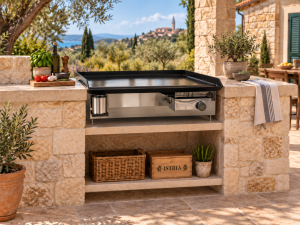
An outdoor kitchen can turn a terrace, garden or patio into a complete space for cooking and spending time together. Instead of moving between the... Continue reading
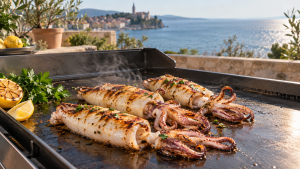
Grilled squid looks simple, but small mistakes can quickly make it tough and rubbery. When cooked correctly, squid should be lightly browned on the outside... Continue reading

Cooking a good steak may seem simple, but the difference between an average result and an excellent one often comes down to small details. The... Continue reading

Grilling doesn’t have to stop when the weather turns. A gas grill will happily run through autumn, winter, and windy coastal evenings — but cold... Continue reading

If you’ve made the switch from an open-grate barbecue to a solid stainless steel grill plate, you already know the difference in results: more even... Continue reading

Add comment